
Stargazing in Idaho: A Guide to Enjoying Idaho’s Dark Skies
Who is this for?
- Anyone looking for a quiet, peaceful vacation in rural Idaho.
Quick links:
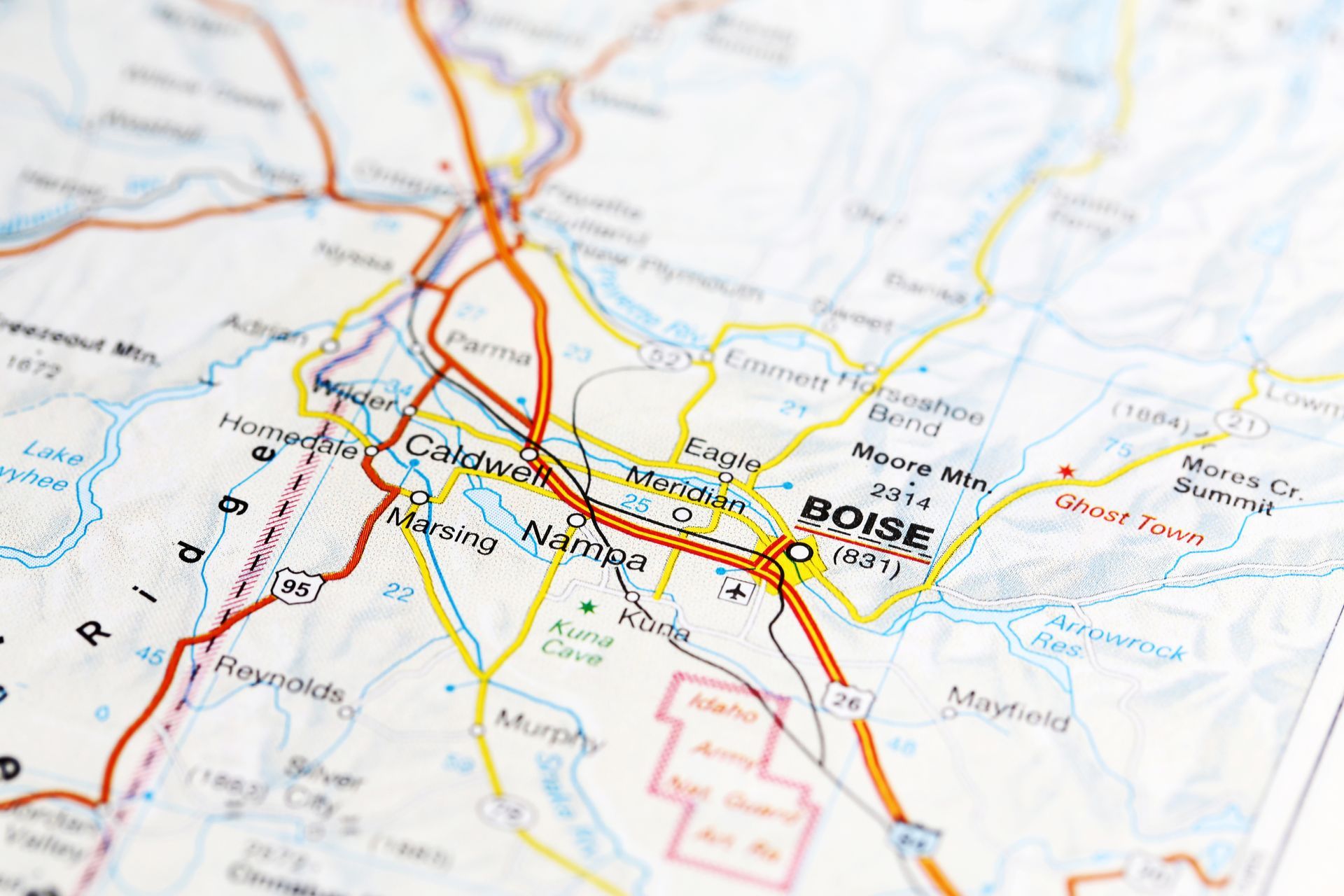
Just an hour from Boise but worlds away from the city glow, Idaho City offers some of the darkest, clearest skies in southwest Idaho. Located at an elevation of 3900ft, this mountain town is a haven for stargazers, astrophotographers, and anyone who wants to be close to the brilliance of nightfall. Whether you’re planning a cozy cabin getaway or a night under the pines, Idaho's dark skies are unforgettable. Here are some tips for the best stargazing experience in Idaho City.
Why Idaho City?
Idaho isn’t a popular vacation destination, but that’s part of its charm. The best places for stargazing are small, quiet, and close to nature. Here are some of the reasons Idaho City is perfect for viewing the starry night sky.
Low Light Pollution
Central Idaho is famously rural. Idaho City sits far from major population centers, and the surrounding Boise National Forest blocks out most ambient light. This creates deep, dark skies ideal for spotting constellations, the Milky Way, meteor showers, and planets.
High Mountain Elevation
If you want to feel close to the stars, you have to go to the mountains. Not only are the mountains beautiful, but the crisp air and higher elevation result in cleaner, steadier viewing conditions. This is especially true in the fall and winter when the air is cold and dry.
Accessible Wilderness
Unlike remote backcountry sites, Idaho City offers dark skies without the long travel. This makes it perfect for families, weekend adventurers, and travelers who want to combine stargazing with hot springs, snowshoeing, hiking, or
exploring ghost-town history.
Stargazing Calendar
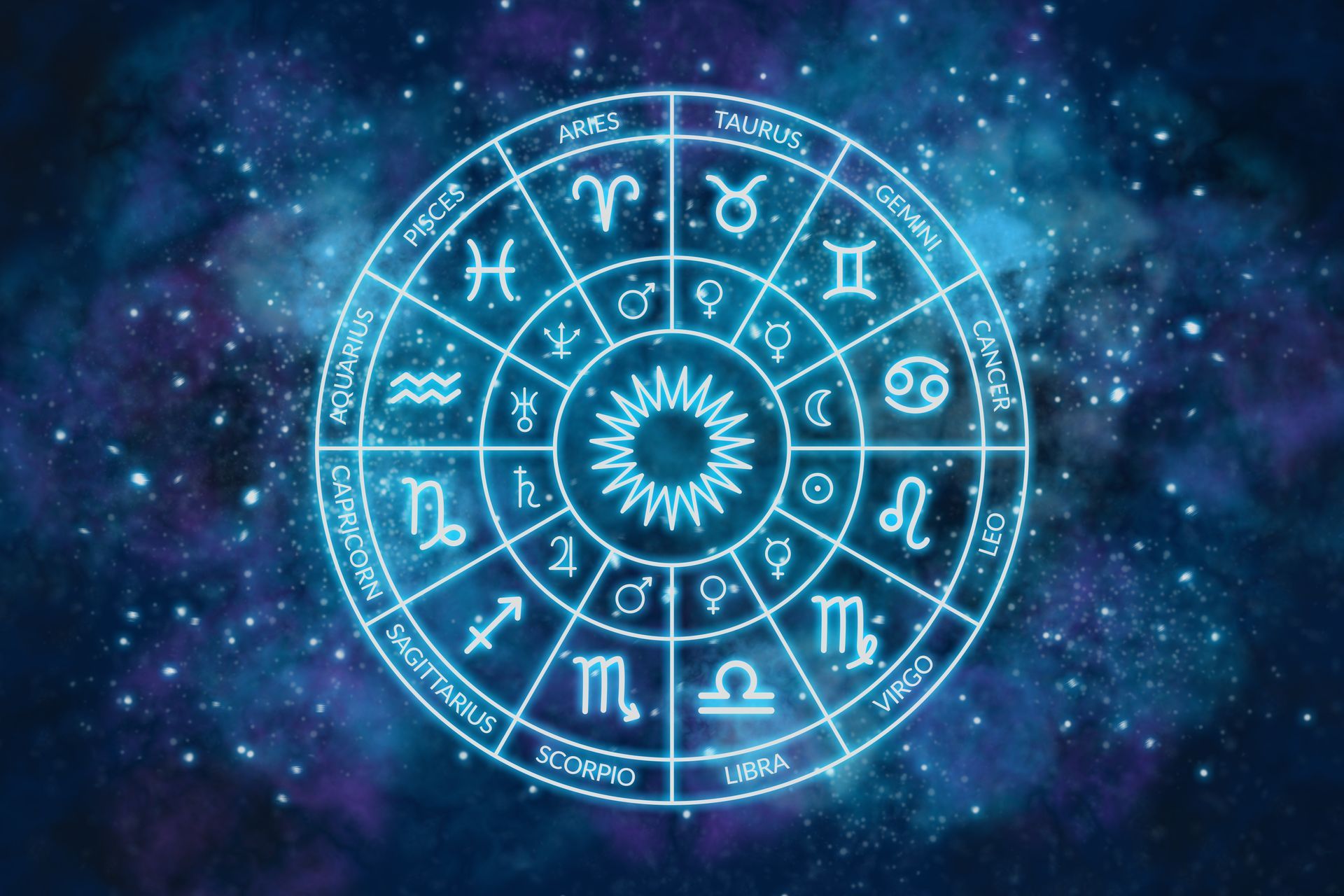
The night sky is an ever-changing tapestry, shifting to stunning new views throughout the year. Each season offers different constellations with fascinating stories to tell. Here is a quick overview of what you might see throughout the year.
Spring
After a long, hard winter, spring brings a sense of relief and renewal to many of us. As the weather starts to warm little by little, the days last a little longer. But the nights are still dark and cool, so you can enjoy the following sights.
Constellations:
- Ursa Major: The Great Bear
- Leo: The Lion
- Cancer: Celestial Crab
- Virgo: The Maiden of Spring
- Bootes: The Herdsman
- Hydra: The Sea Serpent
- Spring Triangle: Made up of Regulus in Leo, Arcturus in Bootes, and Spica in Virgo
Other Phenomena:
- Beehive Cluster: A famous open cluster of stars, visible to the naked eye
- Leo Triplet: A galaxy group that appears near Leo’s rear leg
- Meteor Showers: Lyrids and Eta Aquariids in April and May
Summer
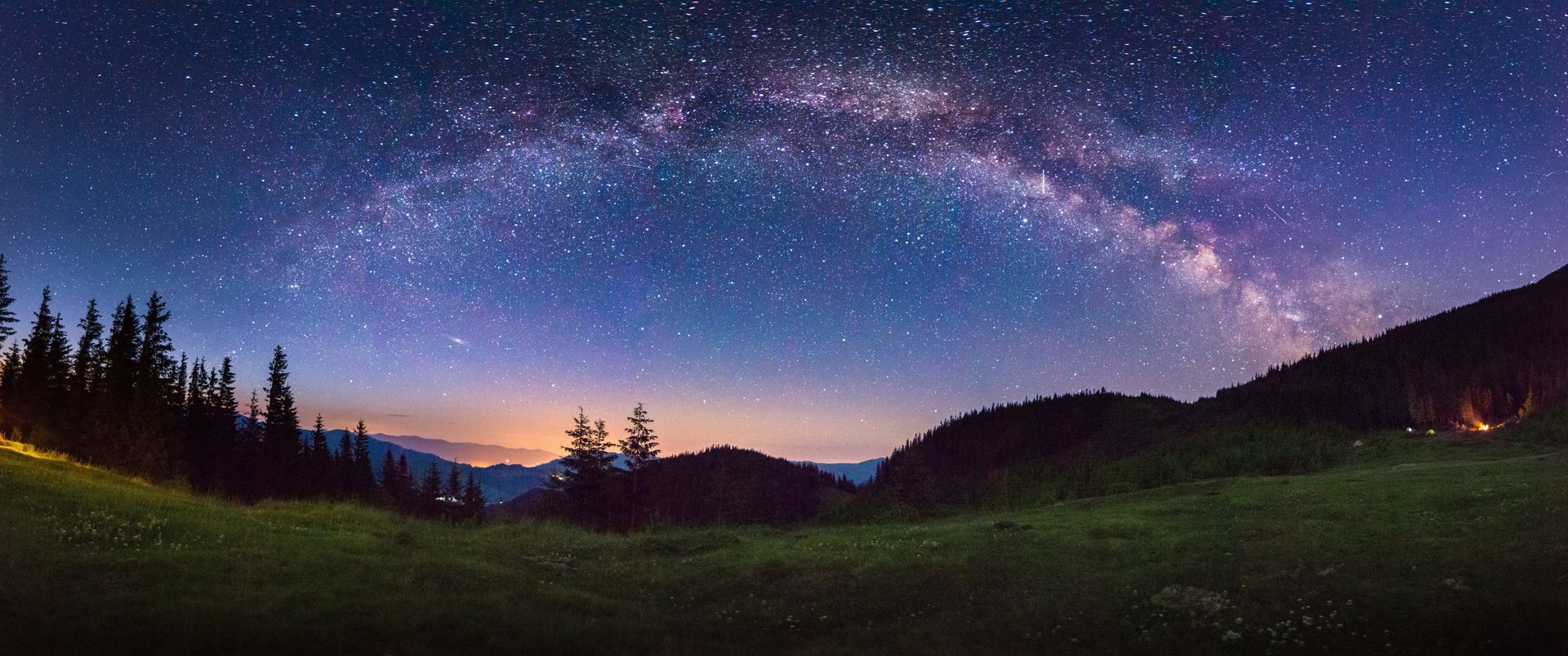
Summer means long days and short nights. This may discourage you from stargazing, but it shouldn’t. The days may be long and hot, but the evenings are pleasantly cool, making your viewing experience nice and comfortable. You may need to stay up a little later, but the views are worth it!
Constellations:
- Scorpius: The Scorpion
- Sagittarius: The Archer
- Libra: The Weighing Scales
- Aquila: The Eagle of Zeus
- Lyra: The Harp
- Corona Borealis: The Northern Crown
- Delphinus: The Dolphin
- Hercules: Hercules
- Cygnus: The Swan
- Vulpecula: The Little Fox
Other Phenomena
- The Summer Solstice: The sun reaches the northernmost point of the sky, making for the longest day and shortest night of the year
- The Summer Triangle: Made up of the stars Vega, Altair, and Deneb
- Meteor Showers: Southern Delta Aquariids and Perseids in July and August
- Milky Way at its brightest

Fall
As the warmth of summer is replaced by autumn’s chill, the skies clear to offer beautiful views. During the day, you can admire Idaho’s vibrant fall foliage. Then at night, you can see the story of Andromeda and Perseus painted in the sky.
Constellations:
- Aquarius: The Water Bearer
- Aries: The Ram
- Pisces: The Fish
- Andromeda: The Princess of Ethiopia, chained to a rock as a sacrifice to the sea monster Cetus
- Cassiopeia: Mother of Andromeda
- Cepheus: King of Ethiopia, father of Andromeda
- Cetus: Sea Monster sent to devour Andromeda
- Perseus: Greek hero who saves Andromeda from Cetus
Other Phenomena:
- The Pleiades: The Seven Sisters, a star cluster within Taurus
- The Great Square of Pegasus
- Andromeda Galaxy: A bright galaxy located in the Andromeda Constellation
- Owl Cluster: Aka “E.T.”, an open cluster with two bright stars that look like glowing eyes
- Meteor Showers: The Draconids, Orionids, and Leonids occur in October - November
Winter
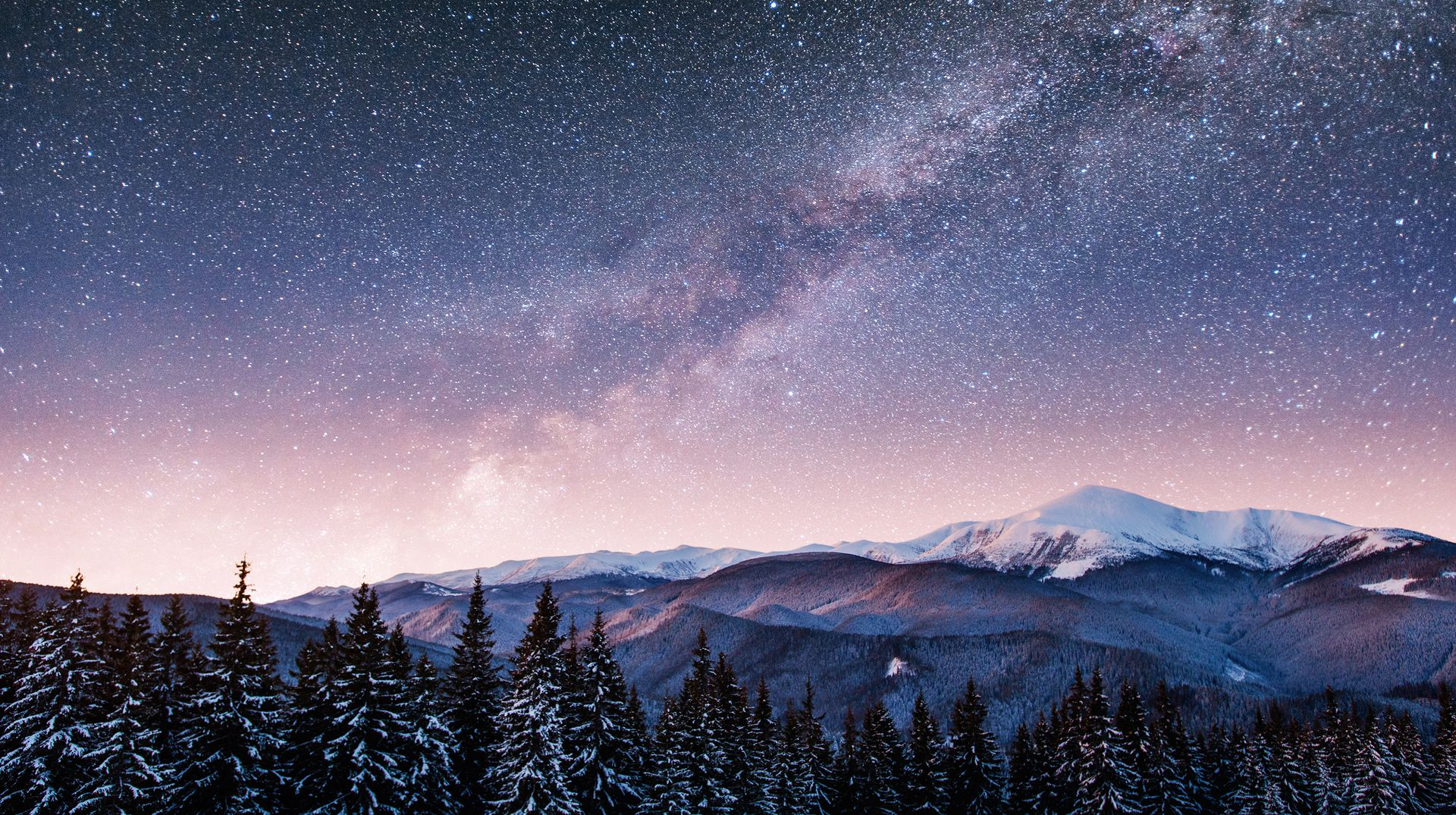
Imagine moonlight reflecting off the snow-capped mountains, while you gaze into the heavens. If you can brave the cold, winter’s long nights and frosty air make for optimal viewing opportunities. Here are some of the constellations you might spy on a snowy night.
Constellations:
- Gemini: The Twins
- Taurus: The Bull
- Orion: The Hunter
- Canis Major: The Big Dog
- Canis Minor: The Little Dog
- Auriga: The Charioteer
- Lepus: The Hare
Other Phenomena:
- Winter Solstice: The sun reaches its lowest point in the sky, creating the shortest day and longest night of the year
- The Winter Hexagon: Made up of the stars Sirius, Procyon, Pollux, Castor, Capella, Aldebaran, and Rigel
- The Winter Triangle: Made up of Betelgeuse, Procyon, and Sirius
- Meteor showers: Geminids, Ursids, and Quadrantids in December and January
Tips For New Gazers
One of the best things about stargazing is that anyone can do it! Many of the most beautiful stars and constellations are bright enough to see with the naked eye. However, there are some simple ways you can enhance your experience. Here are some tips to help you create a magical night under the stars.
Check the Conditions
Cloudy skies will make it hard to see anything at all. Before you head out, check the following:
- Use apps like Clear Outside, Dark Sky Finder, or Stellarium to check the weather conditions for clear skies
- Check Moon Phase: The full moon is beautiful, but the extra light can make it harder to see dimmer stars and the Milky Way

Pack for Mountain Nights
Even in summer, nights can be chilly. To make sure you stay comfortable, bring:
- Warm layers: Bring an extra jacket, even if you don’t think you’ll need it
- A blanket or sleeping bag
- Hot cocoa or tea in a thermos
- A headlamp with a red-light setting
Bring the Right Gear
You don’t need much to enjoy Idaho’s dark skies, but these help:
- Binoculars or telescope: They don’t need to be expensive or fancy to spot the most identifiable sights
- A star map or app: There are many stargazing apps and maps available online to help you navigate the night sky
- A reclining camp chair

Be Bear-Aware & Forest-Smart
If you’re pulling off to a scenic byway or walking on a forest road at night, remember to stay safe. Some basic tips include:
- Wear reflective clothing, especially by the roadside
- Store any scented items securely to avoid attracting bears
- Stay aware and respectful of your surroundings
Most of all, remember the old saying: “take only photos and leave only footprints”. Leave your viewing site in the same (or better) condition than you found it.
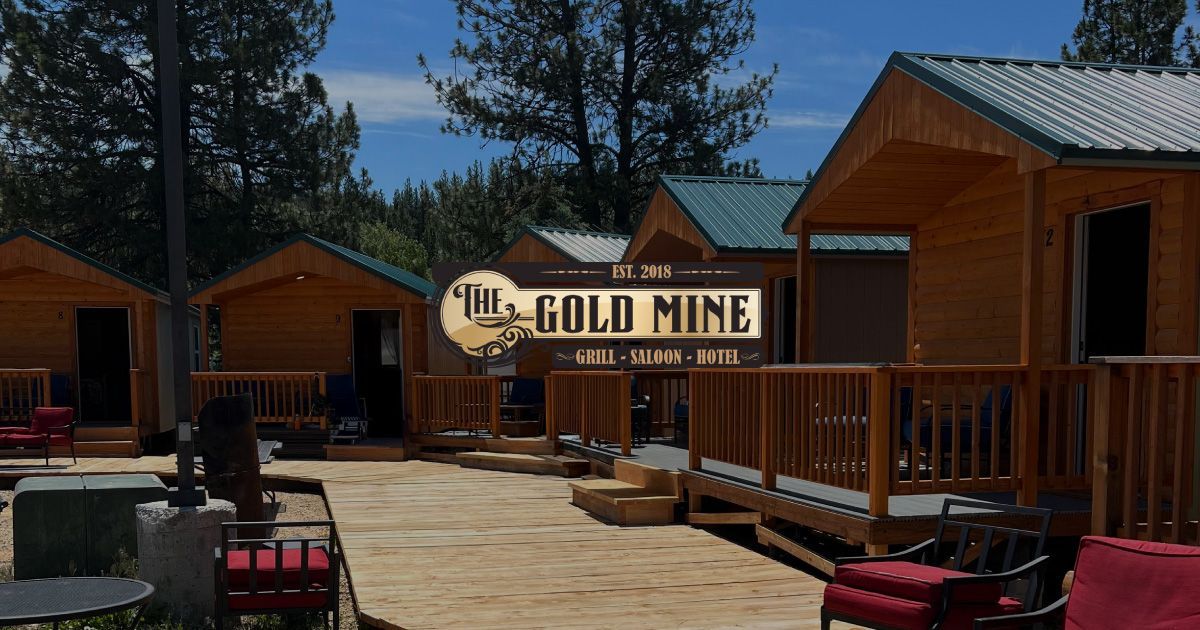
Stay at the Gold Mine Hotel
For a comfortable stay under Idaho’s dark skies, come to the Gold Mine Hotel and Cabins in Idaho City. Located outside of Boise’s city lights, surrounded by Boise forest, you’ll enjoy a peaceful experience in a beautiful setting.
With comfortable rooms, private cabins, and an on-site grill and saloon, the Gold Mine Hotel is the perfect home base for your stargazing adventures. Enjoy delicious food, comfortable beds, and Western hospitality at its finest when you book your stay today!